

The “About” pages had not been what SEOs would pay attention to until Google released its human raters’ guidelines instructing its raters to check the pages when assessing the trustworthiness of websites they come across in organic search.
Since then, “About” pages have become one of the most common checks in SEO audits.
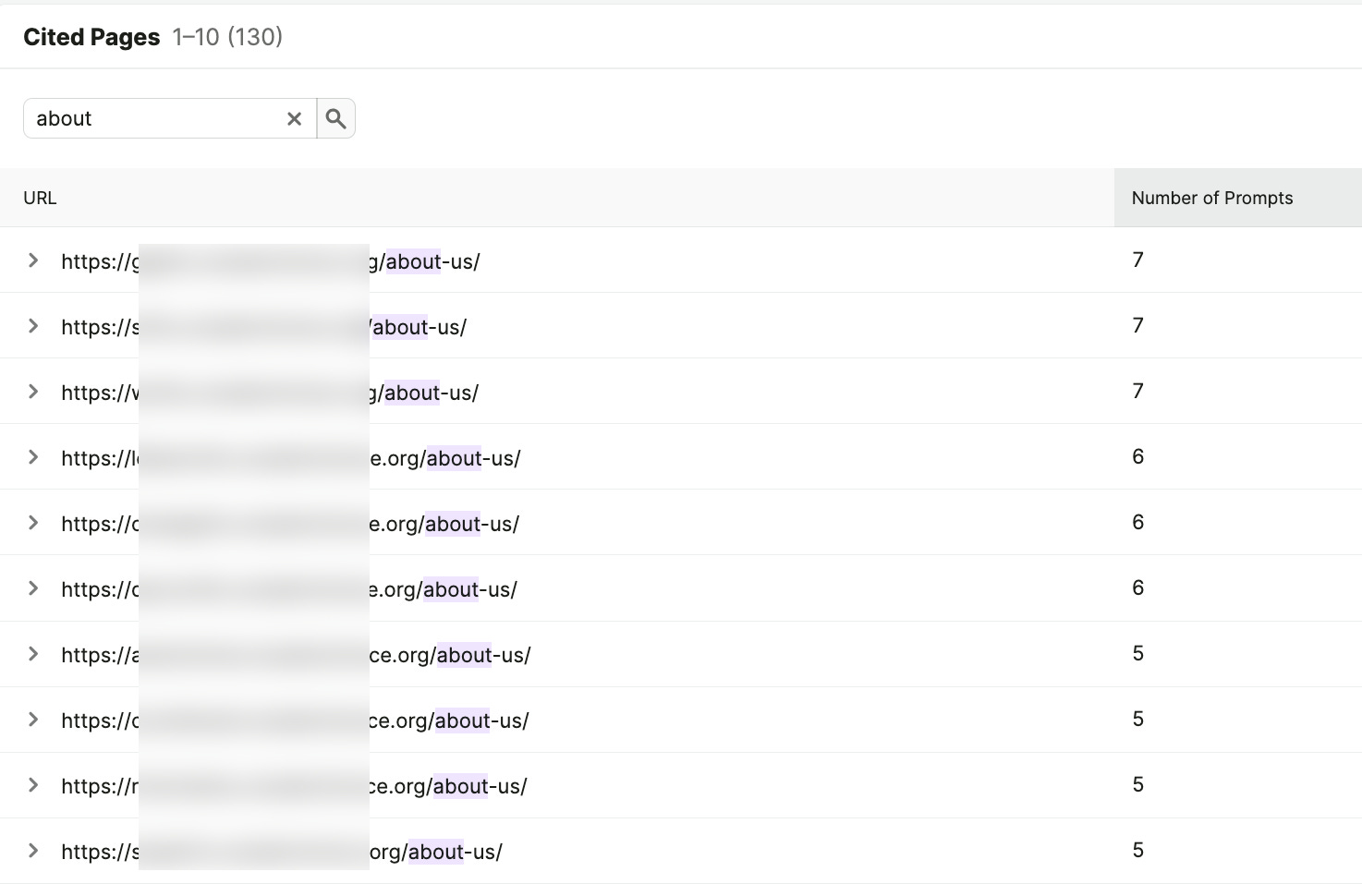
Generative AI platforms like ChatGPT and Gemini often check official About pages to verify whether a brand is worth recommending. In my GEO audits, I always see a business “About” page as one of the most cited pages for target prompts.
» JOIN us to discuss this topic live and bring your questions!
So when creating your About page, keep the SEO and GEO/AEO aspects of it in mind:
A clear value proposition statement
Start the page explaining what you do, in a very clear, non-promotional way.
This statement should be consistent with what you say about your business everywhere else (in your business social media profile bios, directory listings, etc.)
LLMs may ignore bold, marketing statements (“We are the best in XX”) but will likely pick up on factual, number-based messages (e.g., “trusted by XXX consumers for since XXXX”).
Credibility signals
When landing on your About page, both people and AI agents are likely to be already aware of your brand, so they are looking for verification, rather than business details. In other words, you need to prove that your business is trusted.
Any verifiable claims should be prioritized here:
Years in business
Partnerships with known entities/brand
Certifications
Security verifications
Notable clients
Recognitions from known organizations
Industry awards
Mentions in authoritative publications (names and links, not just logos)
Testimonials from verifiable people
Be as factual and specific as possible: Add links to known entities, years your business was awarded, link to customer profiles on social media, etc.
Use cases
Your “About” page should clearly list which problems it is solving and for who. This will make it clear to LLMs which prompts your business is a good candidate for listing.
One of the best ways to create this problem-solving content in a meaningful way is to list summaries of your business use cases that would list a persona and a problem they were trying to solve (and how your product helped).
You can link to more details of each use case, but it is beneficial to list the key details on the About page.
Consistent terminology
One of the biggest AI optimization mistakes out there is inconsistent, and often vague messaging.
Update your About page and all your public business listings with specific, clear, and consistent messaging.
Schema
There’s no confident proof or confirmation on whether AI agents pay any attention to website schema usage. Yet, “Organization” schema is officially recommended by Google, so it remains a consistent SEO recommendation.
How detailed the schema should be is also a matter of a lot of debate. I recommend playing it on the side of clarity rather than too much detail. Note:
Your business name (as noted in the official documentation)
Your alternative business name (based on how searchers may refer to your business when searching)
Your address and contact details
Your logo
Your foundation date
Your founder’s name (here you can embed the Person schema for more details)
Your sameAs properties (links to official social media profiles)
Overall, when working on your business About page, prioritize clarity, factual details, and establishing connections with trusted known entities.
Get in touch if you need help with optimizing your About page!